

 Locations
Uncategorized
Creating a Stylish Nursery: Modern Ideas for New Parents
Oct
Designing a nursery in 2025 looks a little different for modern parents. You’re no longer just thinking about cute themes or pastel walls. Today’s parents are creating sanctuaries—rooms that work hard, feel soft, and blend beautifully with the rest of the home.
The new nursery isn’t just for baby—it’s for you too. It’s where you’ll spend late nights feeding, early mornings settling, and countless hours bonding. That space needs to feel just as comforting for parents as it does for little ones. For many families in Melbourne and Sydney’s inner suburbs, that means creating something stylish and functional within smaller spaces like apartments or townhouses.
Let’s talk about space. Compact living comes with real challenges. There’s limited floor area, so furniture needs to pull double (or triple) duty. You want a cot that converts as your child grows. A chair that feels like a warm hug during 3 AM feeds, and still looks elegant in your living room years later. Every item has to earn its place—and look good doing it.
Parents today are incredibly thoughtful about what comes into their homes. You’re not just looking for nursery furniture—you want furniture that reflects your style, supports everyday life, and grows with your child. That means dialing down the “baby clutter” vibe and dialling up timeless design that flows with the rest of your interiors.
Comfort is non-negotiable, especially when you’re feeding or soothing for long stretches. But here’s the thing—it shouldn’t come at the expense of style. That clunky old nursing recliner that only looked at home in a basement man cave? You’ve moved on. You’re after pieces that feel good and look like they belong in a well-designed home.
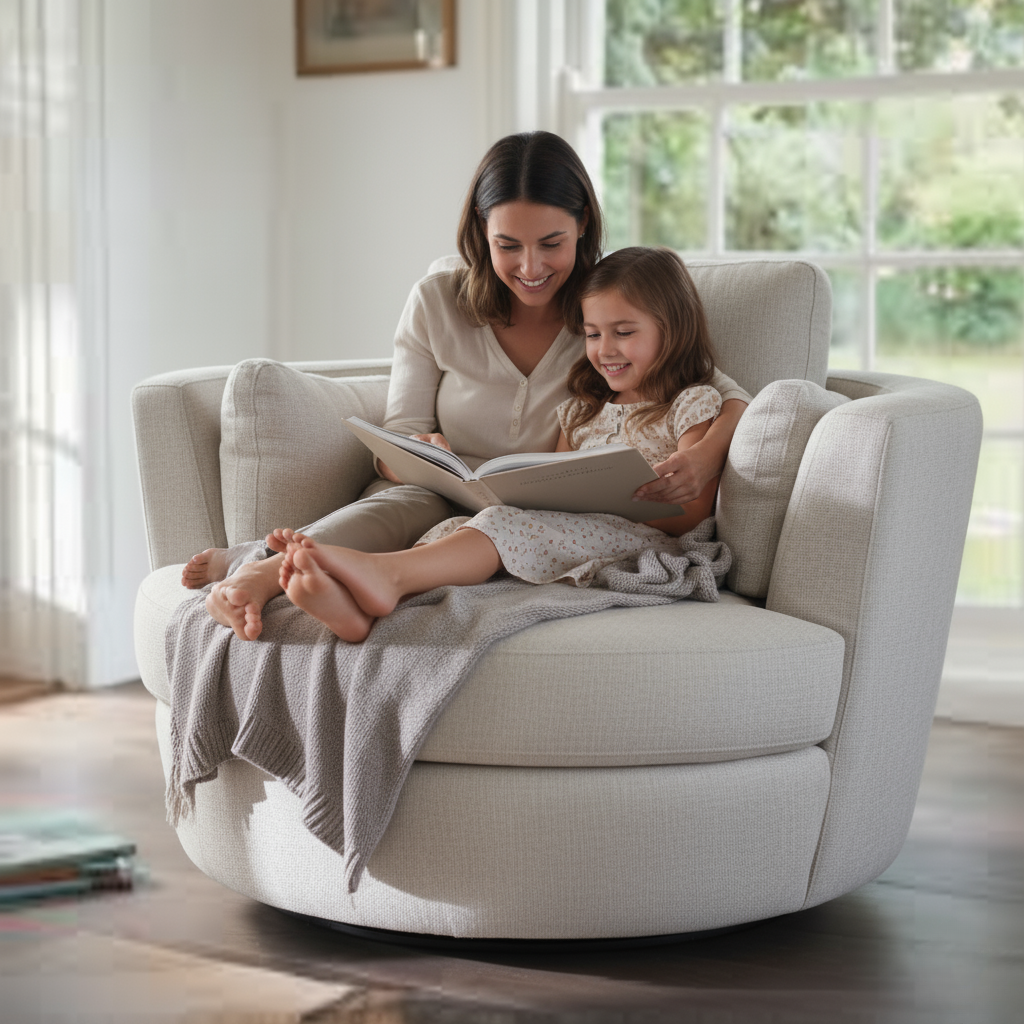
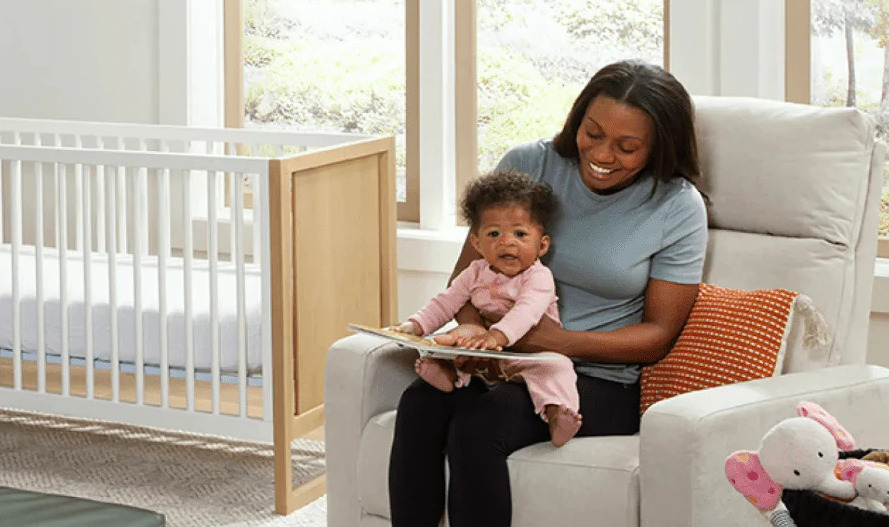
At the heart of it all is connection. A thoughtfully designed nursery encourages calm—and calm feeds connection. Whether it’s those snuggly skin-to-skin moments or reading bedtime stories under a soft light, the right space brings you closer together. And that’s what it’s really about. Creating a nursery that isn’t just functional, but emotionally grounding. A space that welcomes your growing family with open arms and soft textures.
Planning Your Nursery Space
If you’re working with a 2 or 3-bedroom apartment or a modest townhouse, you’re probably facing the familiar juggling act of fitting everything in without it feeling cramped. Good news: a considered layout and a few smart furniture choices can make even the smallest nursery feel open, calm, and curated.
Start with a Clear Layout
The best way to make the most of your nursery? Define zones. Even in a smaller room, visual and functional separation brings clarity and flow. Think of your layout as four key zones:
- Sleeping: Your cot goes here—preferably against the longest uninterrupted wall to anchor the space. Choose a cot that converts to a toddler bed for longevity.
- Feeding: Place a supportive chair (think soft arms and high-back) with nearby access to a side table and warm lighting. You’ll thank yourself during middle-of-the-night feeds.
- Changing: A slimmer-profile change table with drawers can double as a dresser. Keep it near the cot, so nappy changes are efficient and stress-free.
- Playing: Leave floor space open for tummy time, a soft rug, or a foldable play mat. Storage baskets or an open cube shelf make clean-up quick and easy.
Tip: Measure your available floor space first, then tape out furniture footprints with painter’s tape to test placement before buying. It saves time and costly mistakes.
Smart Furniture for Small Spaces
In a compact nursery, your furniture must multitask. Look for:
- Convertible pieces (cot-to-bed, change table-to-dresser)
- Compact chairs that don’t overwhelm the room but still deliver on comfort
- Vertical storage like wall shelves or hanging organisers to reduce floor clutter
- Under-cot storage for out-of-season clothes or extra nappies
Keep the Look Cohesive
Styling a nursery that flows with the rest of your home means sticking to a consistent palette. Soft neutrals, timber accents, and simple shapes help the space feel less like a “baby zone” and more like a natural extension of your interior style.
Less is more here. Each piece should feel intentional. A visually clean room not only looks beautiful, it helps your baby feel calmer—and you too.
Choosing Timeless and Stylish Nursery Furniture
Good nursery furniture doesn’t just last—it evolves. When space is tight and taste matters, every piece needs to do more than one job. That’s why the smart move is investing in versatile furniture that grows with your child and complements the rest of your home from day one.
Think Beyond the Baby Years
Start with the cot. A convertible cot is a game changer in a nursery with limited square footage. Choose one that transitions into a toddler bed and, eventually, a daybed. Look for clean lines, solid timber construction, and sleek finishes that blend seamlessly with adult spaces. You’re not just buying a baby bed—you’re buying extra years of use in style.
Storage is your silent hero. Kids come with a surprising amount of gear, and well-designed storage is priceless. Opt for low-profile drawers or modular units with a modern silhouette. Open cubes let you switch from baby essentials to toddler books or toys with ease, while closed drawers keep visual clutter out of sight. If you’re working with a smaller room, choose vertical options that draw the eye up and make the space feel taller.
Reimagine Nursery Seating
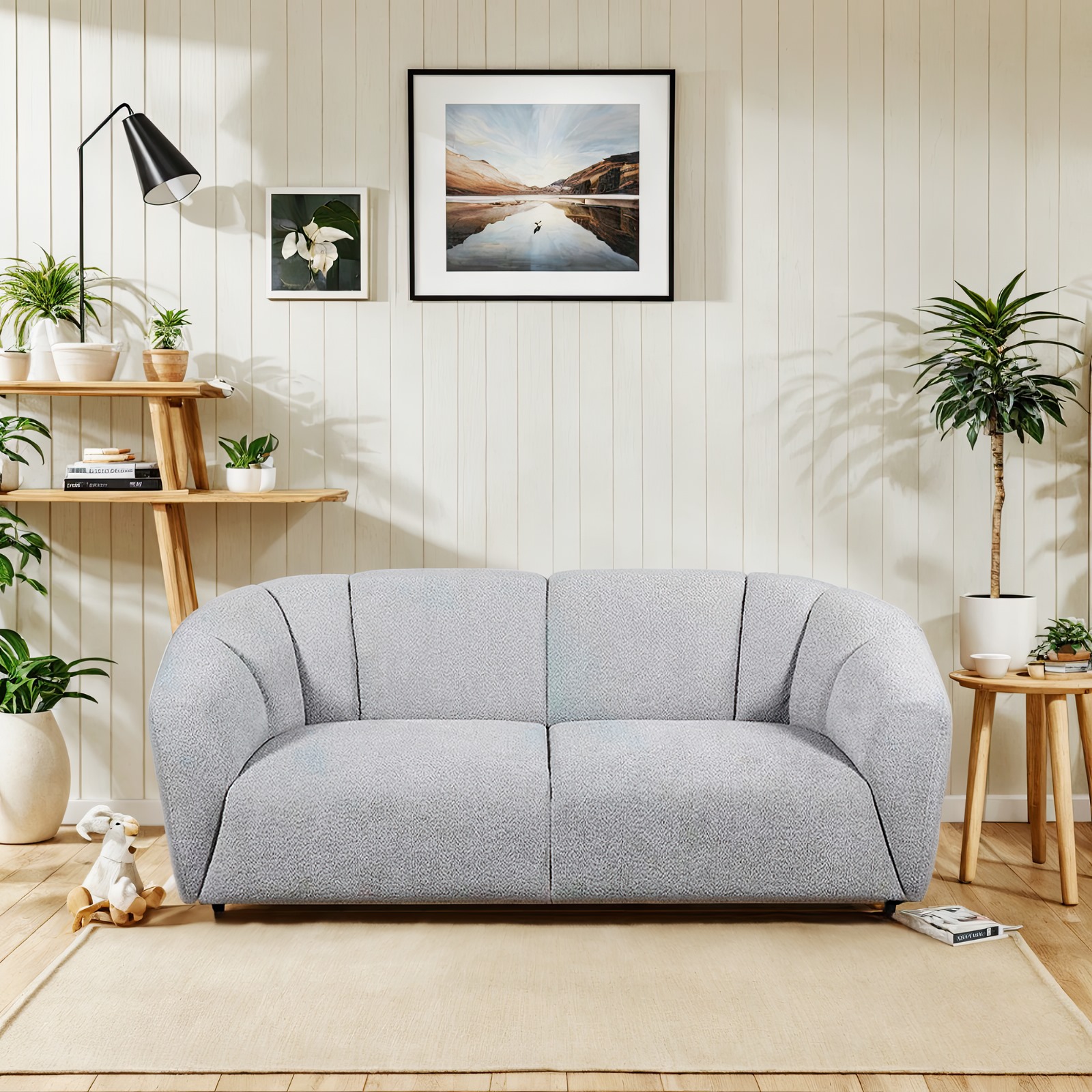
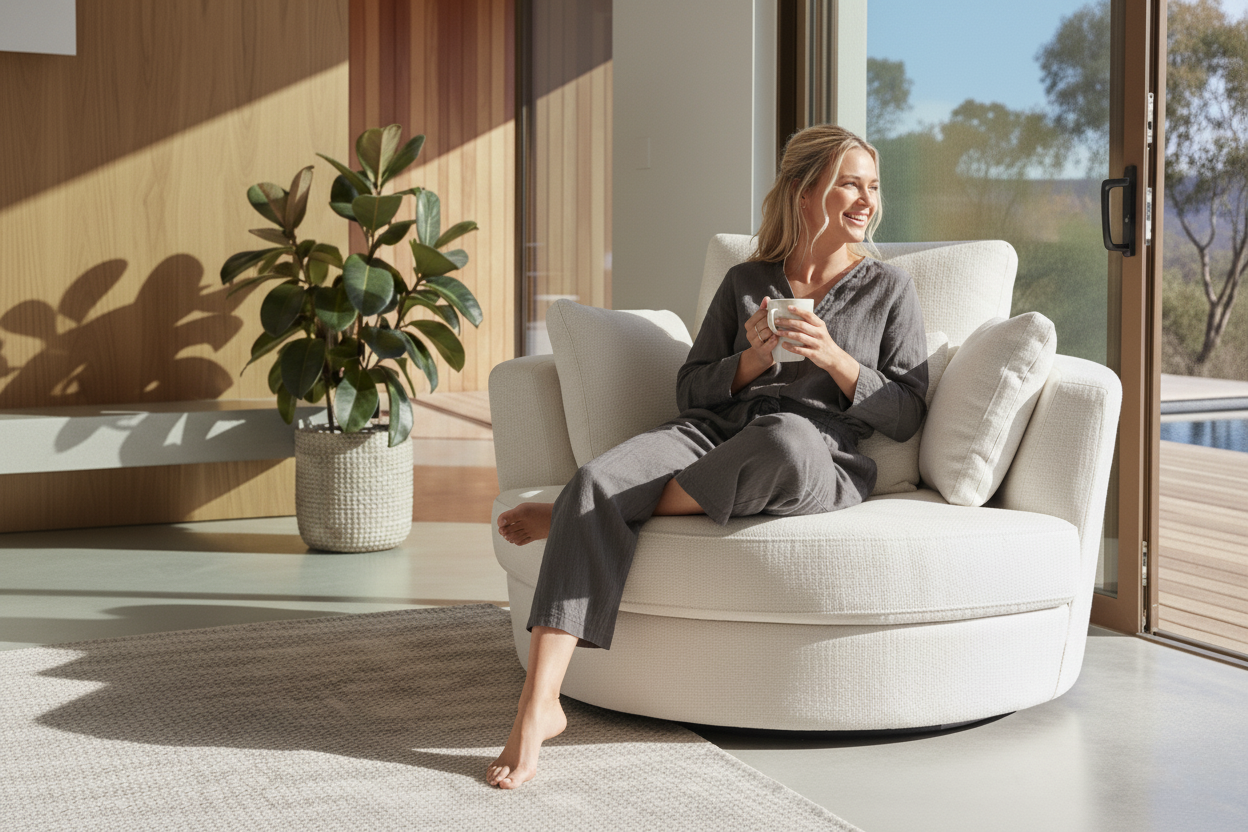
Your feeding chair isn’t just for night feeds. It’s your quiet corner. Your back-saving sanctuary. And yes, it should look as good as it feels. Skip the boxy, oversized recliner and instead consider a plush armchair with a high back, soft upholstery, and a timeless silhouette. Whether it stays in the nursery or later moves into the living room or a reading nook, it should feel at home anywhere.
The Details Make the Difference
Material matters. Go for finishes that age beautifully—like sustainably sourced timber, softly textured bouclé, or linen blend fabrics that clean easily but still feel luxe. Steer clear of high-shine or synthetic finishes if they clash with the rest of your home’s aesthetic.
Keep to a palette that fits your space. Warm whites, muted greys, natural woods, soft sage or oat tones—these all work well in contemporary Australian homes. They also create a calmer environment for your baby (and your tired new-parent brain).
Timeless nursery furniture doesn’t shout “baby room.” It whispers warmth, functionality, and quiet confidence. Choose pieces that support your life today and adapt to your family’s future—with style that’s anything but temporary.
Creating a Cozy and Functional Feeding Area
Those first few weeks (and months) of feeding often feel like a blur of quiet hours, sleepy snuggles, and countless cushions. Whether you’re breastfeeding, bottle-feeding, or simply soothing behind closed doors, your feeding area should feel like a retreat—not an afterthought.
Choose Seating That Loves You Back
Comfort-first doesn’t mean clunky. Modern nursery seating has come a long way from traditional gliders with squeaky frames and oversized profiles. Look for a plush armchair or low-profile rocker with ergonomic support. A gently curved back, generously padded arms, and just the right amount of sink can make all the difference during those 2 AM feeds.
If you’re short on space or want a piece that won’t look “nursery-specific” later, consider a compact lounge chair in a soft, durable fabric. Styles with subtle rotation or gentle rock give you soothing motion without the bulk. This chair might end up in your main lounge in a few years—and it should look the part.
Layer In Lighting and Storage
Your chair is just the beginning. A thoughtful feeding nook needs a few extra comforts:
- Lighting: Warm, adjustable lighting is your best friend. A dimmable floor or table lamp beside your chair keeps feeds gentle on sleepy eyes. Avoid harsh overheads where possible.
- Side Table: Keep essentials like water, burp cloths, and snacks within reach. Choose a table with a small footprint but enough surface area to hold the basics. Closed storage or a lipped tray helps prevent late-night spills.
- Soft Furnishings: Add a lumbar cushion or nursing pillow for support, and consider a tactile throw for extra coziness during cooler months.
Style Without Sacrificing Calm
This part of your nursery doesn’t need to shout. Create a mood that grounds you. Stick to calming tones—airy neutrals, clay, sage, oat—and avoid overly bright colours that might overstimulate. Choose one or two subtle decor pieces (like a soft mobile or framed print) to bring warmth without crowding the space.
The goal is calm, not clutter. With the right chair, soft lighting, and thoughtful styling, your feeding area transforms into a sanctuary—somewhere you’ll sit, sigh with relief, and melt into the moment.
Incorporating Modern Décor and Accessories
Once your nursery essentials are in place, it’s the little layers that bring heart and softness to the space. Décor and accessories can quietly shift a room from functional to nurturing, helping a modern nursery feel personal, peaceful, and connected to the rest of your home.
Start with Calming Textiles
Soft, breathable fabrics do more than comfort—they soothe. Think organic cotton cot sheets, muslin swaddles, lightweight linen curtains, and a plush but low-pile rug for tummy time and bare feet. Stick to a palette of calming neutrals, grounded by tones like oat, clay, or muted eucalyptus. Textures matter too. Layer in bouclé cushions, knitted throws, and soft-washed cotton to create depth without overwhelm.
Choose textiles that wash well and wear gently. Babies are cuddly—but also a little messy. Look for prewashed blends or natural fibres that feel luxe without being fussy.
Wall Art That Feels Like You
Forget clichéd baby animals or novelty prints. If it doesn’t make you feel something, skip it. Instead, opt for prints, paintings, or photography that align with your home’s overall style. Soft abstracts, botanicals, or even simplified line drawings can offer gentle visual interest. You’re creating a space your child will grow into, not out of in six months.
Framed art or wall decals with a cohesive tone across the room can bring the space together. Bonus points if the artwork can migrate to another room down the road.
Lighting That Works Hard and Feels Soft
Good lighting sets the emotional tone of your nursery. You need practical solutions that also add style:
- A dimmable table or floor lamp near your feeding area for peaceful late-night feeds
- Soft-glow ceiling lighting for general use that doesn’t feel clinical
- Optional string lights or a salt lamp if you lean toward a gentler, ambient touch
Choose lighting styles that match your interior—timber bases, ceramic shades, or minimal matte finishes all work beautifully in contemporary Australian homes.
Organisational Accessories That Keep the Calm
Yes, storage can be beautiful. Use woven baskets, fabric bins, or timber caddies to corral everything from nappies to picture books. Hooks, wall-mounted shelves, or peg rails can add charm and practicality without taking up floor space.
Look for materials like cane, canvas, or natural timber. They add texture while blending seamlessly with a clean, calm palette. Aim for form that supports function—every item should serve a purpose and look like it belongs.
Style and parenting can live in the same room. By choosing thoughtful décor pieces—from soft layers to warm lighting—you can shape a nursery that not only welcomes your little one but settles you too. A room that feels slow, intentional, and quietly beautiful.
Balancing Practicality and Style for Longevity
When you’re building a nursery, short-term solutions can be tempting—but they rarely hold up. Babies become toddlers faster than you think, and that adorable furniture set that was cute for six months? It might not carry you through the next few years. That’s why a balance of durability, function, and enduring style isn’t just nice to have—it’s non-negotiable.
Choose Materials That Can Handle Real Life
Spit-ups, spills, sticky hands—nurseries see it all. Your furniture and finishes need to stand up to that reality without losing their charm. Look for:
- Tightly woven, easy-to-clean fabrics like linen blends or microsuede that won’t trap stains or wear thin after a few washes
- Low-tox finishes on timber that are safe for babies and wipe clean quickly (matte or lightly oiled finishes age beautifully over time)
- No-fuss details: think zip-off cushion covers, soft-edge detailing, and hardware built for frequent use
You don’t have to compromise aesthetics for durability. It just takes an extra moment to check product materials or ask about care instructions before committing.
Design for Now, So It Grows with You
Smart design looks beyond the baby phase. If each piece in your nursery can evolve just a step or two, you’ll avoid needing full refreshes that strain your time, budget, and planet.
- Opt for adjustable or convertible furniture, like a cot that becomes a toddler bed or a change table that doubles as a dresser
- Keep the colour palette flexible, steering clear of overly themed or character-led designs that date quickly
- Select seating and storage pieces that feel equally at home in a reading nook, lounge, or study later on
Every choice should earn its keep beyond the nursery stage. That’s sustainability in your everyday lifestyle—less waste, fewer purchases, more thoughtful curation.
Built for the Long Haul, Without Sacrificing Style
Longevity starts with craftsmanship. A chair that holds its shape after years of lullabies, a chest of drawers that still rolls smoothly in a teenager’s room—these are the quiet wins that come from investing in well-built furniture.
Support local artisans where you can. Beyond the quality you’ll feel every day, there’s the comfort of knowing you’re backing skilled makers who care deeply about their work. It’s better for your family’s wellbeing, and for the smaller details that lift a room from serviceable to special.
A practical nursery doesn’t need to feel utilitarian. When function and form work together—with durable finishes, intentionally chosen pieces, and furniture that grows as your family does—you create a space that truly lasts. One that evolves, supports, and never asks you to choose between beauty and everyday life.
Final Tips for a Stylish Nursery That Works for Your Family
Building a nursery you’ll love living in isn’t about perfection. It’s about intention. You’re not just setting up a space for baby—you’re curating a quiet moment in your home that reflects comfort, care, and your family’s style now and in years to come.
Let fashion and function guide every choice. If a piece looks beautiful but doesn’t make your life easier, skip it. If it’s practical but doesn’t make your heart sing, keep looking. From compact cots to supportive feeding chairs and soft-toned accessories, your nursery should feel like a seamless part of your home—not a theme park.
Start with What Matters Most
Prioritise the pieces that will impact your daily rhythm the most. That usually means your chair, cot, and storage. Get those right, and the rest tends to fall into place. Everything else—from artwork to floor cushions—can evolve over time.
Rule of thumb: Choose fewer things, but better ones. Trust your gut. If something feels off, it probably is. If it makes you exhale a little deeper the moment you see it, that’s a good sign it belongs.
Give Yourself Permission to Go Slow
You don’t have to finish the nursery before baby arrives. You don’t need it all done in one shopping trip. In fact, some of the best spaces come together slowly—piece by piece, as your needs become clearer and your style reveals itself.
Stay flexible. What works now might need a tweak in a few months. That’s not failure—it’s just family life. So build in room for change. Leave a wall spare for a future bookshelf or keep a corner open for a play teepee down the line.
Let Your Values Lead the Way
Whether you lean toward natural materials, Australian-made craftsmanship, or simply want to avoid fast furniture that doesn’t last, choose with intention. What you bring into your nursery should support how you want your home to feel—and how you want your family to grow.
It’s more than style—it’s sanctuary. A room that welcomes you in tired, joyful, messy moments. A space that grows with your child, reflects your personality, and feels right every time you walk in.
When you choose with care, your nursery becomes more than functional. It becomes meaningful.