
 Locations
Uncategorized
Why New Parents Are Embracing Ergonomic Furniture at Home
Oct
Picture this: you’re managing back-to-back Zoom meetings while your toddler naps in the next room. Or it’s 3 a.m. and you’re cradling your newborn in a space that also doubles as your office by day and reading nook by night. In homes across Australia, spaces are multitasking just as much as the people who live in them. That’s where ergonomic furniture steps up—not just as a comfort solution, but as a lifeline for functionality, health, and calm.
So, what exactly is ergonomic furniture? At its heart, it’s furniture thoughtfully designed to support the way your body moves and rests. It puts posture, comfort, and long-term health first. Think chairs that cradle your lower back so you’re not shuffling around after an hour, or seating that helps you unwind without adding pressure to your spine or shoulders. These pieces aren’t limited to traditional office setups—they’re becoming essential wherever life and work intertwine.
As more Australians blur the line between home and work, our living spaces are carrying a bigger emotional and physical load. A home office now might be tucked into a nursery corner. A spare bedroom pulls double duty as both a meeting zone and a winding-down spot with your partner. The furniture we bring into these spaces has to hold up—literally and figuratively.
Ergonomic design supports more than just posture. It helps manage the slow strains we rarely notice until they start shouting for attention: tight hips after too many feeds in the wrong chair, headaches from poor desk alignment, stiffness from a chair that just wasn’t made for real life. Whether you’re feeding your baby at 2 a.m. or editing a presentation at 2 p.m., comfort should never be a compromise.
But comfort doesn’t mean you have to give up on style. For the design lovers, the nesting mums, the work-from-home creatives—today’s ergonomic furniture respects both your backbone and your aesthetics. It adapts to small spaces, evolves as your routines change, and looks right at home next to that statement lamp you hunted for weeks to find.
When home is doing more, your furniture should too. Ergonomic pieces are no longer just a nice-to-have. They’re the starting point for a home that supports how you live—present, flexible, comforting, and beautifully yours.
Key Features of Ergonomic Furniture for Home Offices
Good ergonomics isn’t just about function—it’s about supporting real moments in real homes. Whether you’re perched on a call while nursing a sleepy baby or pacing through edits with a coffee in hand, the details in your furniture matter. Thoughtful design can mean the difference between a space that drains you and one that fuels you.
So, what makes a piece of furniture truly ergonomic? It starts with how well it works with you, not against you. Look for these core features when creating an office space that also honours your body, your lifestyle, and your taste.
1. Adjustable Seating for Shifting Needs
An ergonomic chair should move with you. Adjustable seat height and tilt let you align properly with your desk, whether you’re tall, petite, or anywhere in between. This isn’t about corporate office gear—it’s about personal fit. For parents, that could mean lowering the chair for ground-level play or raising it for long-feed support. For creatives, it might be about reaching the perfect height for sketching or laptop work without hunching.
2. Lumbar Support That Actually Helps
Lower back pain isn’t a badge of busy. It’s usually a sign your chair’s missing lumbar support. Ergonomic designs include supportive curves that encourage upright posture and reduce strain through the lower back and hips. This is especially important for anyone clocking hours in seated positions—meaning pretty much every modern home desk user or exhausted new mum rocking a baby to sleep.
3. Posture Alignment and Comfort Zones
Design that honours spine alignment isn’t stiff or rigid. It’s supportive, soft in the right places, and firm where it counts. Look for seating with contoured cushions and supportive armrests, thoughtfully placed to help your shoulders drop and your jaw unclench. You’ll feel it after an hour—and even more the next morning.
4. Multifunctionality for Real Homes
One piece. Many uses. That’s the secret sauce in an ergonomic chair that moves effortlessly between work, parenting, and quiet time. With limited space, you want furniture that feels just as natural pulled up to your desk as it does in the corner of your nursery or next to your bookshelf. Swivel bases, hidden storage, even subtle recline features can all extend how and where a piece works for you.
5. Timeless Design That Belongs Anywhere
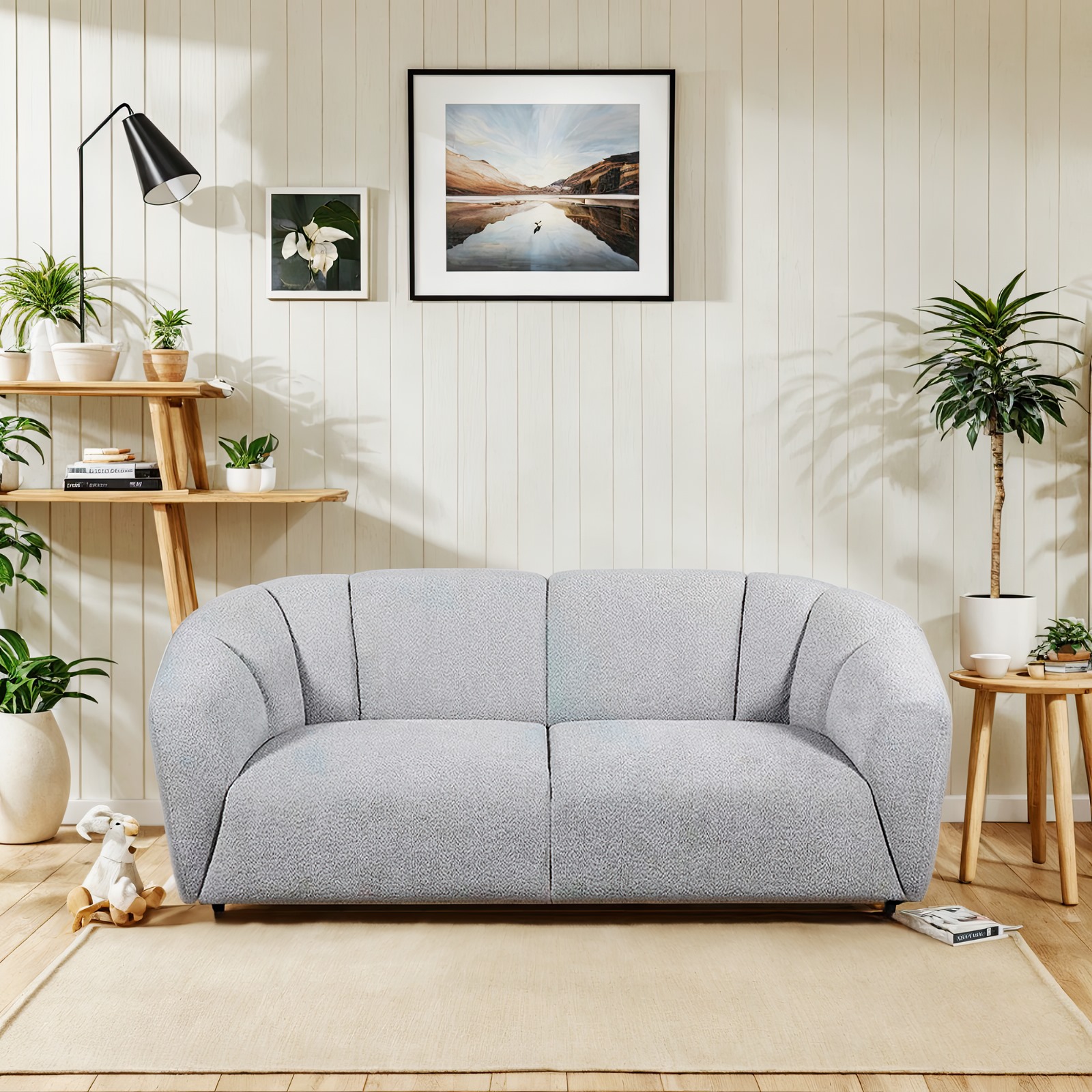
Let’s be honest—nobody wants to bring a ‘waiting room chair’ vibe into their curated home. Ergonomic pieces at Loungely are designed to look like they belong. Soft fabrics, sculptural frames, neutral tones, and natural wood touches help blend form with function. They play nicely with rattan bassinets, sleek tech setups, or coastal home palettes.
Form, function, and flexibility. It’s all in the details.
Choosing ergonomic furniture built for home means investing in a space that supports how you live now and where you’ll grow next. Stylish, supportive, and smart—it’s what Australian homes deserve.
Benefits for New Parents
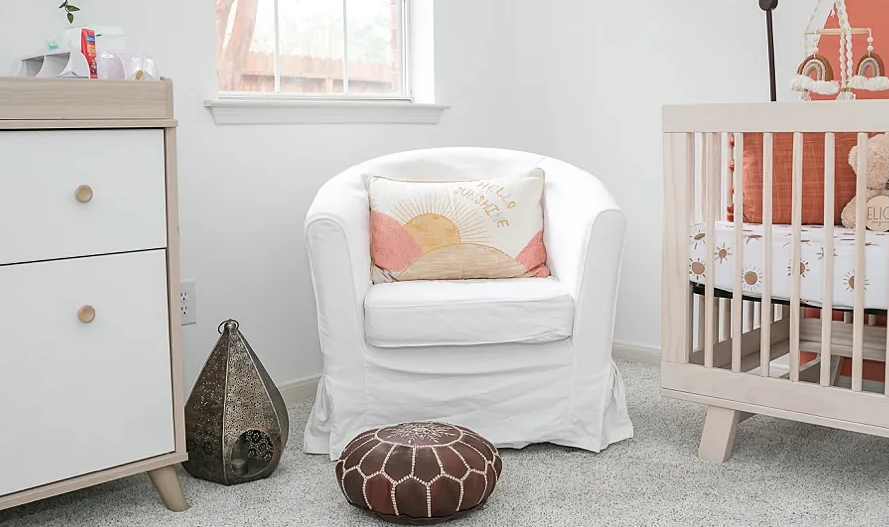
Long nights, countless feeds, and those quiet early-morning snuggles—being a new parent is as beautiful as it is demanding. And when every seat in your home becomes a potential feeding spot, comfort and support start to matter more than ever. That’s where ergonomic furniture earns its place in the nursery and beyond.
Support where it matters most
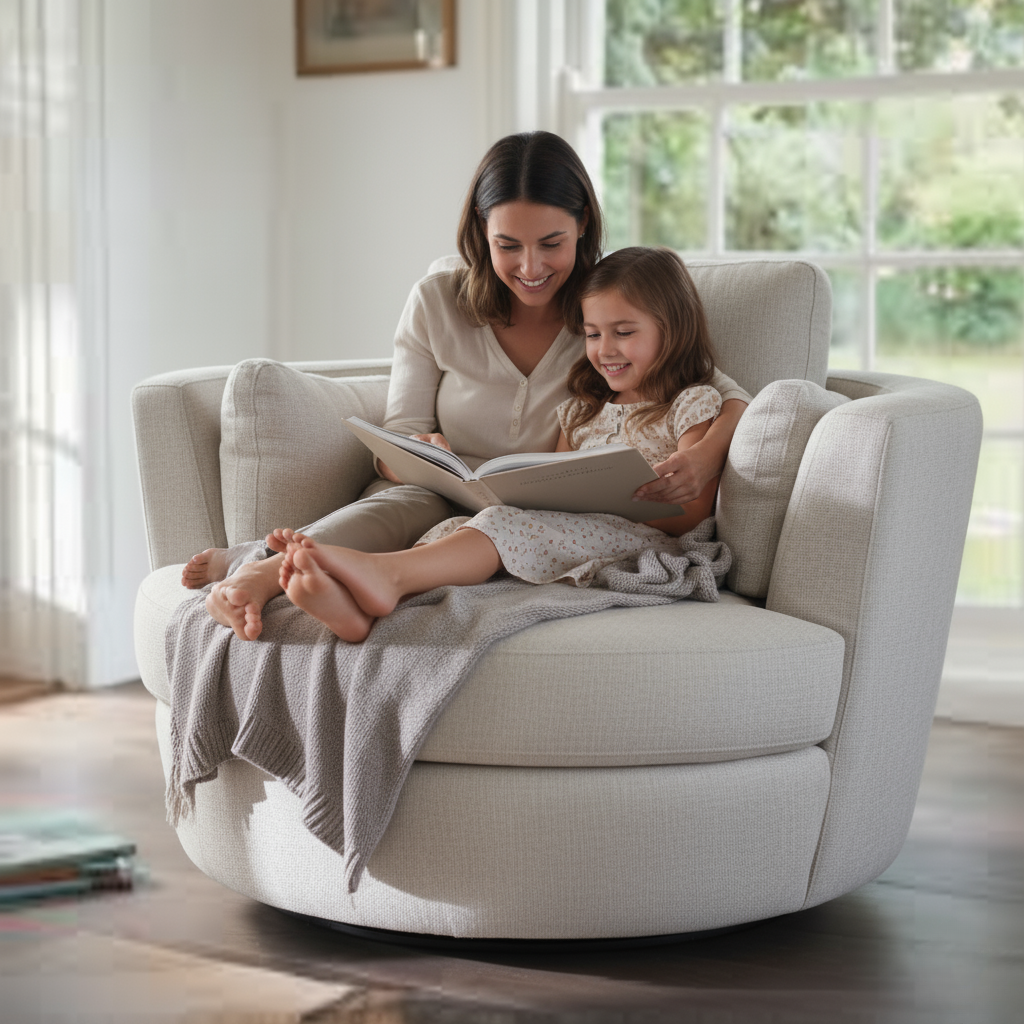
Feeding sessions (especially in those first few months) can stretch well beyond an hour. A supportive, ergonomic chair helps you settle in without surrendering your comfort—or your posture. With contoured cushioning and proper lumbar placement, your lower back feels gently held. Armrests at just the right height let baby rest comfortably while your shoulders get to relax, not tense up.
It’s the difference between wincing and unwinding.
Designed for tight, multifunctional spaces
In many Australian homes, the nursery is also a home office…or the corner of the bedroom…or both. Ergonomic furniture created with compact comfort in mind can slip into small layouts without overwhelming them. Swivel chairs with a subtle footprint or a seamless recliner that tucks close to the wall give you function without stealing space.
Soothing doesn’t have to clash with style
Say goodbye to clunky gliders and oversized loungers that look out of place the minute you click ‘purchase.’ Today’s ergonomic options are thoughtfully designed to feel like they belong—whether next to a cot or styled beside a bookshelf. Think woven textures, neutral hues, sculptural shapes, and tactile fabrics that don’t scream “nursery” but whisper “intentional home.” These are pieces with a gentle presence.
More than a phase
Babies grow, but a well-made ergonomic chair stays useful. It becomes the spot for bedtime books as your toddler finds their voice. Then a quiet space for coffee and emails when you’re back at work. Then, maybe, the first chair you sink into once the school day starts and the house quiets for a moment.
That’s the value of real longevity.
New parenthood reshapes your space and your routines. Ergonomic furniture doesn’t just help you through the early days—it supports your family’s rhythm for years to come, all while looking like it was always meant to be there.
Advantages for Work-From-Home Professionals
Your home office should be more than a spot to park your laptop. Whether you’re a consultant running strategy calls, a designer reviewing mockups, or a copywriter chasing a deadline from your sunroom, comfort and flow matter. That’s where ergonomic furniture earns its place—not as a luxury, but as the baseline for a better workday.
Ergonomic seating supports high-focus work—without the sore back
Sitting for hours on a dining chair or a mismatched hand-me-down can take a toll. A properly contoured ergonomic chair provides the kind of daily support your body quietly craves. You’ll see it in subtle details: built-in lumbar curves that encourage upright posture, cushioning that holds without flattening, and armrests that guide you toward relaxed shoulders rather than hunched tension. It’s small design thinking with big benefits.
Create zones that shift with your work rhythm
It’s rare to sit in one place all day. You might start at your desk, take calls from a reading chair, and brainstorm from the couch. Smart ergonomic pieces help you move fluidly between tasks. Swivel bases let you shift without jarring your neck. Alternative seating like lounge chairs with proper back support or perching stools offer variety—keeping your body engaged and your mind refreshed.
Comfort that doesn’t compromise your style
One of the biggest challenges for remote workers is setting up a space that works professionally but still feels like home. Clunky office chairs in black mesh can throw your whole aesthetic off. That’s why ergonomic furniture with sculptural shapes, soft textures, and neutral colour palettes is worth considering. It fits in beside your timber desk or curved bookshelf without looking out of place—even if there are plants hanging nearby and a coffee on your side table.
Wellbeing boosts that add up
Discomfort isn’t just annoying—it distracts. It interrupts your focus, wears on your patience, and keeps you from doing your best work. A supportive chair, the right posture, and a setup that respects how you move can add hours of quality back into your week. And when your environment looks good too? That kind of harmony makes a difference in how you show up.
You work better when your space works with you.
Australian homes are doing more than ever before. Whether you’re running a business or taking a quick client call before school pick-up, ergonomic furniture helps you stay grounded, productive, and at ease—while still sitting beautifully in your home.
Appeal to Design-Conscious Homebodies
If you spend time curating everything from your book collection to the placement of your throw cushions, you already understand that furniture is more than functional—it reflects how you want your space to feel. For the design-conscious homebody, every piece needs to carry weight in both style and comfort. That’s exactly where ergonomic furniture comes into its own.
Comfort should never compete with aesthetics
Too often, “ergonomic” gets boxed in with clunky design cues. But you don’t need to compromise your palette or design sensibilities to sit well. Loungely’s approach is to create pieces that feel indulgent and look sculptural—nothing fussy or overly clinical. Think soft, organic curves wrapped in tactile fabrics. Earthy tones that sit beautifully within a coastal scheme or hold their own in a monochrome space. Timber accents that ground a room without taking it into office mode.
Crafted with time-tested materials that age gracefully
Design isn’t just about how something looks today—it’s about how it lives with you well into the future. Choosing ergonomic furniture made with high-quality craftsmanship means selecting pieces that won’t wear thin on style or structure. Comfort foam that holds its shape (without sagging), frames built from solid Australian hardwoods, and upholstery stitched with clean, considered lines. These aren’t throwaway items. They’re part of your forever home, not just your current chapter.
A sustainable choice that reflects your values
Design lovers often care deeply about the “why” behind what they buy. Loungely’s commitment to minimal waste practices and locally made craftsmanship keeps your footprint lower while elevating your interior’s impact. With every order planting a tree across Australia, your sanctuary becomes part of something even bigger.
You should love how your chair feels—and how it photographs
Let’s be honest. If you’re styling your reading corner, placing furniture in your bay window, or framing your living room layout, the right piece needs to look incredible from every angle. Ergonomic designs can absolutely be statement pieces. The key is in the balance: plush without bulk, supportive yet streamlined, intentional without shouting for attention.
Design-forward doesn’t mean stiff—and comfort shouldn’t look boring.
For homebodies with high standards, ergonomic furniture is a quiet hero. It supports slow mornings with books, powers you through creative afternoons, and anchors you during quiet twilight hours. All while looking exactly how you wanted your space to feel: uniquely yours.
Tips for Choosing the Right Ergonomic Furniture
Comfort, style, and practicality don’t have to be in competition. When it comes to selecting ergonomic furniture for your home, striking the right balance is about knowing what to look for—and making choices that reflect how you actually live. Whether you’re navigating postpartum tasks, back-to-back client calls, or peaceful evenings with a book in hand, here’s how to choose pieces that hold up beautifully.
1. Start with how the room functions
Before you fall in love with the curves of a chair or the tone of a timber leg, step back and consider the purpose of the space. Is it a nursery-office hybrid? A quiet reading corner? A dedicated work zone? Understanding how the space is used helps define what the furniture needs to do. For family-focused rooms, multifunctionality might be key. For fully remote pros, posture support could top the list.
2. Measure with real life in mind
Tape measures are just the beginning. Include room for movement, toy baskets, dog beds, even the way a door swings open. Ergonomic furniture works best when it fits naturally into your space, not when you’re trying to squeeze around it. Go for pieces scaled for real homes—compact yet comfortable, generous in cushioning without swallowing the room.
3. Prioritise features that match your day
Think beyond just “supportive.” Does the chair swivel so you can easily tend to a baby or turn toward your coworking monitor? Are the armrests soft and positioned to relieve shoulder strain during bottle feeds or typing sessions? Good ergonomics consider how you move, shift, and settle—so match the features to your flow.
4. Look for craftsmanship made to last
Not all chairs are built equally. Seek out pieces with reinforced frames, high-resilience cushioning, and upholstery that can handle both spills and sunlight. Longevity isn’t just about durability. It’s about knowing the chair you buy today will still feel like home next year, next season, the next time your routine surprises you.
5. Choose designs that feel timeless to you
A great ergonomic chair should never feel like a placeholder. Pick colours, textures, and shapes that speak to your style—whether that’s coastal calm, earthy warmth, or tactile minimalism. Neutral tones often age more gracefully and meld into evolving homes, letting you reuse a favourite piece as your space grows with you.
Your furniture should fit your life—not the other way around.
When in doubt, sit in it. Picture your mornings, your midnight feeds, your midweek chaos and slow Sundays. The right ergonomic piece won’t just support your spine—it’ll support life’s every little moment along the way.
Conclusion: Creating Spaces That Do More
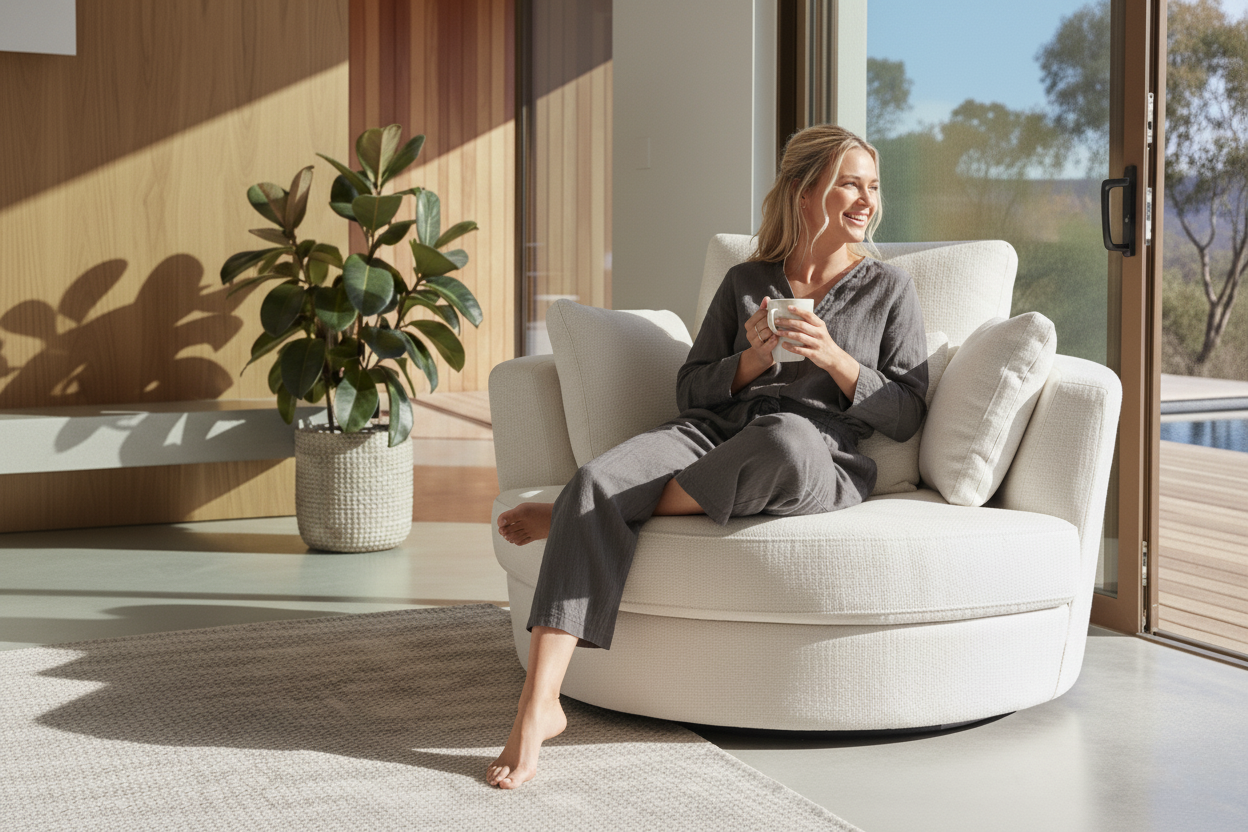
Investing in ergonomic furniture isn’t just about ticking off a checklist of features. It’s about choosing pieces that genuinely serve your life—whether that means soothing a newborn through a restless night, powering through client calls from your sunlit nook, or relaxing with tea in a corner that feels both styled and truly yours.
It’s comfort you can trust, design you’ll love, and flexibility that fits your every day.
For new parents, it’s the reassurance of a chair that supports you through feeds, playtime, and precious quiet moments—all without disrupting your nursery’s gentle aesthetic. For remote professionals, it’s a setup that helps you feel fresh and focused, not stiff and distracted. And for every design-conscious soul? It’s the thrill of finding something you’re proud to keep in your home for years, not just seasons.
Ergonomic pieces become the constants. Chairs that move with you. Fabrics that wear gently. Designs that complement your space instead of clashing with it. They’re the furniture you don’t have to work around—because they already work with you.
A beautiful home isn’t just what you see. It’s how you feel in it.
As Australian lifestyles continue to evolve, so should the spaces we call home. Whether you’re curating your first nursery, building a home office that inspires, or refining a forever corner meant just for you, ergonomic furniture offers the blend of form and function that makes it all possible.
At Loungely, we believe your sanctuary starts with what you sit on.
Find the piece that holds you—beautifully, comfortably, and always on your terms.